That faint smell that comes back on humid days is usually not your imagination. When pet accidents soak into carpet, the problem rarely stays on the surface. Effective pet urine carpet treatment has to address the stain you can see, the odor you keep noticing, and the contamination that may have already moved into the carpet backing and pad.
This is where many homeowners and property managers lose time and money. A quick spray from the grocery store might lighten the spot for a day or two, but if urine crystals remain in the fibers or below them, the odor returns. In more advanced cases, pets are drawn back to the same area, which turns one accident into a recurring problem. The right treatment is less about masking smell and more about removing the source.
Why pet urine is so hard on carpet
Pet urine changes as it dries. Fresh urine may seem manageable, especially if it is caught quickly, but once it sits, bacteria begin breaking it down. That process creates ammonia-like odors and leaves behind concentrated salts and proteins that bond with carpet fibers. Those deposits can stay active long after the visible moisture is gone.
The challenge gets bigger when urine reaches the carpet pad or subfloor. Carpet is porous, and in many homes and commercial spaces, accidents wick outward and downward faster than expected. You may clean the center of the stain and still miss the full affected area. That is one reason odors often seem stronger after a room warms up or after the carpet is lightly cleaned with water. Moisture can reactivate what was left behind.
There is also a material issue. Some carpets respond well to restorative treatment, while others may already have permanent discoloration from repeated accidents, strong DIY chemicals, or delayed cleanup. Wool, synthetic blends, and older carpet constructions all behave differently. Good treatment starts with identifying what can be restored and what may need more advanced correction.
What effective pet urine carpet treatment should include
A professional approach is not just spraying deodorizer and extracting it. Real treatment begins with inspection. Technicians need to determine how far the contamination has spread, whether the pad is involved, and whether the odor is isolated or part of a larger pattern across the room.
In many cases, treatment includes targeted flushing, extraction, and application of specialty solutions designed to break down urine residue rather than cover it. Enzyme and oxidizing treatments can both play a role, but the right choice depends on the age of the contamination, the carpet type, and the severity of the odor. There is no one-size-fits-all formula.
For deeper contamination, the work may need to go beyond the face fibers. Subsurface extraction tools can help pull contamination from below the carpet surface. In more severe conditions, sections of pad may require replacement, and the subfloor may need odor treatment as well. That is especially true when accidents have been repeated over time in the same area.
The goal is restoration when possible. For property owners, that matters. Replacing carpet throughout a room or unit is expensive, disruptive, and often unnecessary if the issue is diagnosed correctly early enough.
Pet urine carpet treatment at home – what helps and what backfires
If the accident is fresh, immediate action can make a real difference. Blotting with clean white towels and applying light pressure can remove a surprising amount of moisture before it spreads. The key is to blot, not scrub. Scrubbing pushes contamination deeper and can distort the carpet pile.
Cold or lukewarm water can help dilute a fresh spot in moderation, followed by more blotting. Beyond that, homeowners should be careful. Over-the-counter products vary widely in quality, and many are used incorrectly. Too much product leaves residue. Too much water drives urine deeper. Strong-smelling cleaners may temporarily overpower the odor while making the carpet more attractive to dirt.
Steam cleaning a urine spot without proper pretreatment is another common mistake. Heat can set odors and stains, especially when the urine has already dried. Household machines also tend to add more moisture than they can remove, which can create a larger affected area under the carpet than the one you started with.
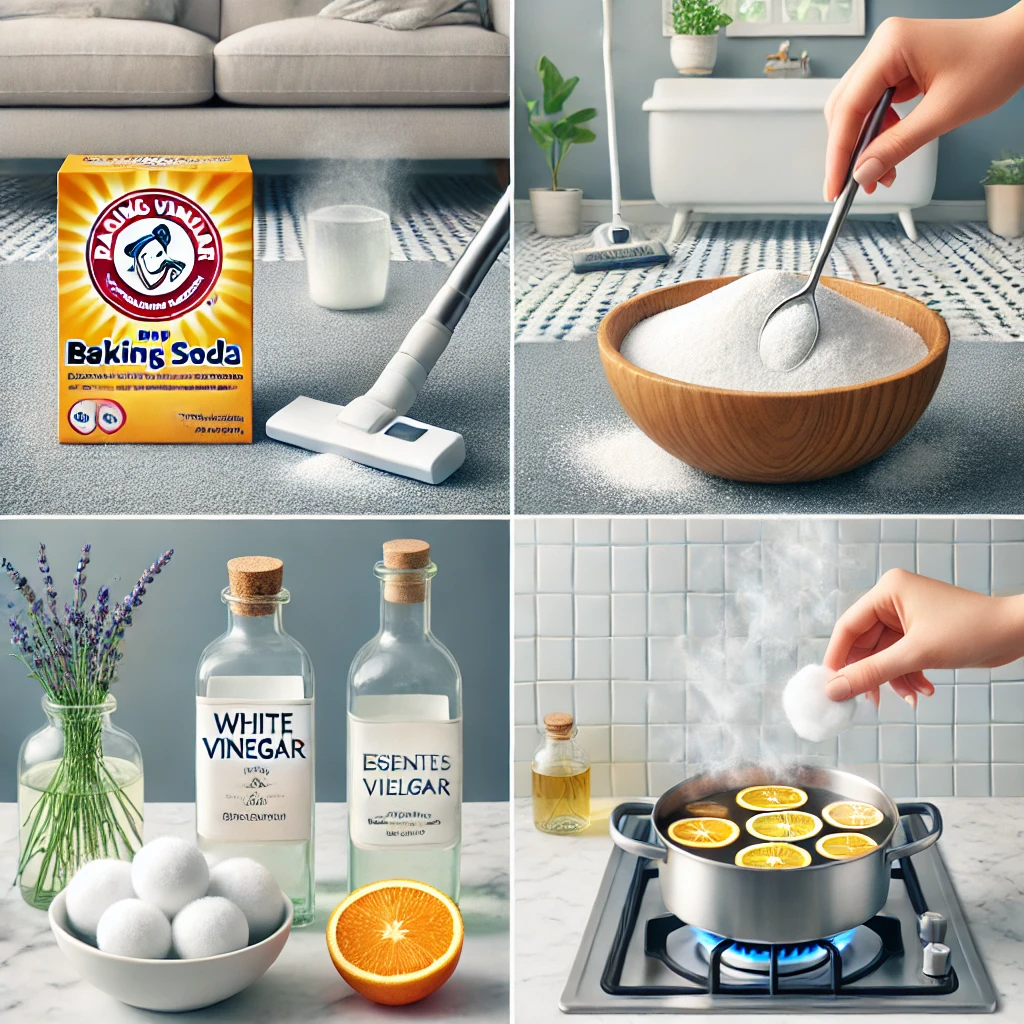
Vinegar and baking soda are often suggested as home remedies. They may help with minor, very fresh accidents, but they are not a dependable solution for established contamination. In some situations, they can complicate professional treatment later by leaving additional residue in the carpet.
When odor means the damage is deeper
A visible spot is one thing. Persistent odor without an obvious stain is often a stronger warning sign. That usually means the contamination has traveled below the surface or that previous cleaning only treated the top layer.
For homes, this often shows up in bedrooms, hallways, and favorite pet resting areas. In rental units and commercial settings, the challenge is different but no less serious. Odor can affect showings, tenant satisfaction, indoor comfort, and overall property perception. In multi-unit or high-use environments, delaying treatment usually increases both scope and cost.
This is why inspection matters so much. Blacklight tools and moisture assessment can help identify affected areas that are not visible under normal lighting. Once the full footprint is known, treatment can be limited to what is needed instead of guessing or over-cleaning the entire room.
Repair, restoration, or replacement – how to decide
Not every urine problem calls for replacement, and not every carpet can be saved with cleaning alone. The right answer depends on severity, age, fiber condition, and how long the issue has been present.
If the contamination is recent and localized, restorative cleaning and odor treatment may fully resolve it. If odor has reached the padding but the carpet face is still in good condition, targeted subsurface work and partial pad replacement may be the most cost-effective route. If there is severe staining, delamination, recurring contamination, or structural damage to the carpet backing, replacement of affected sections may make more financial sense.
That decision should be made with a restorative mindset, not a replace-first mindset. Experienced specialists look at what can be preserved, what can be repaired, and what level of treatment will actually hold up over time. For many property owners, that approach protects both budget and appearance.
Why specialized service matters
Pet urine treatment is often underestimated because it sounds simple. It is not. Odor removal, stain correction, and contamination recovery involve chemistry, material knowledge, moisture control, and proper extraction methods. General cleaning is not the same as restorative treatment.
That distinction matters more when carpets are high-value, when the affected area is large, or when the property needs reliable results for occupancy, resale, or ongoing operations. A certified restoration-focused company can tailor treatment to the condition of the carpet instead of applying a standard cleaning process and hoping for the best.
For customers across Rhode Island and nearby Massachusetts, Phoenix of Rhode Island approaches these issues with that restoration-first mindset. The objective is to extend the life, appearance, and performance of the carpet whenever practical, while being direct about when deeper correction or replacement of affected materials is the smarter move.
How to protect carpet after treatment
Once the source is properly removed, prevention becomes much easier. Pets are less likely to return to the same area when odor residue is gone. That alone can break a frustrating cycle.
It also helps to respond to future accidents immediately, schedule professional cleaning before minor issues become embedded, and pay attention to repeat locations. If a pet continues to use one area, it may be a behavioral issue, a medical issue, or a sign that old contamination was never fully removed.
Carpet can often be restored further than people expect, but timing matters. The longer urine sits, the more likely it is to affect fibers, padding, adhesives, and subfloor materials. Fast action improves outcomes, lowers cost, and reduces the chance that a cleaning problem turns into a replacement project.
If your carpet still smells clean only for a day and then the odor comes back, that is your signal to stop treating the symptom and address the source. The right treatment does more than improve the room. It helps preserve the surface you already invested in.